
Are Termites Harmful to Humans? Complete Guide for USA Homes
Many people worry about termites damaging their homes, but are termites harmful to humans too? The truth may surprise you. While termites don’t carry diseases like some other pests, they can still cause serious health problems. Their presence often leads to mold and mildew, which releases dangerous mold spores into the air.
Breathing in this air can cause respiratory irritation and even allergic reactions from frass, the waste termites leave behind. In large numbers, termites are silent destroyers, not only of wood but also of your indoor air quality. So yes, while they may not bite, termites can quietly impact your health and comfort more than you think.
What Are Termites and Why Should You Be Concerned?
Termite habits revolve around wood. They eat it, live inside it, and create tunnels through it. Inside their colonies, each type of termite has a job. Worker termites build tunnels and eat wood. Soldiers guard them.
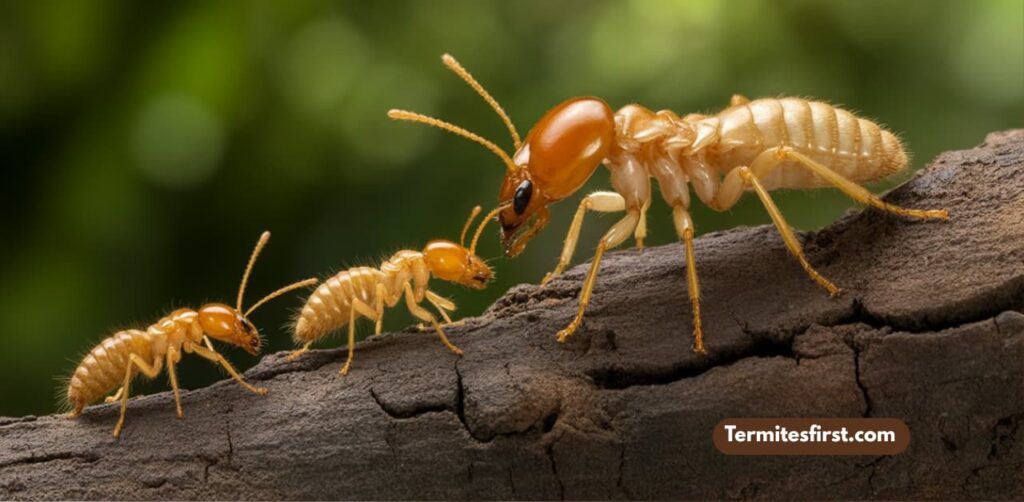
The king and queen termites produce more termites. Termites use chemicals to talk and work non-stop. Termites never sleep, which makes them such a threat to your home.
Why Termites Infest Human Homes
Where do termites live? Often in soil, trees, stumps, and wooden structures. They love moist wood, which makes homes with leaks, cracks in foundation, and poor ventilation an easy target. Wood-to-soil contact or firewood near house also invites termites. Once inside, they can go unnoticed for years, leading to hidden termite damage.
Types of Termites and Where They Live
There are many types of termites, but three are most common in the U.S. They are subterranean termites, drywood termites, and dampwood termites. Each species prefers different climates and living conditions, so knowing the type is key to planning termite control.
Subterranean termites are found in every U.S. state except Alaska. They build mud tubes to travel from the soil to wood. Drywood termites are usually in warm coastal states. They live inside wooden furniture and dry walls. Dampwood termites are found in wet areas like the Pacific Northwest. They like decaying, wet wood.
Subterranean Termites
These are the most damaging of all termite species. They live underground and create large colonies with millions of members. They use mud tubes to stay moist while they travel between the colony and food sources. These termites are common in both rural and urban areas across the U.S.
Drywood Termites
Drywood termites don’t need soil contact. They infest dry wood in roofs, walls, and furniture. They are often found in warmer states. These termites are harder to detect because they live deep inside the wood. Their damage becomes visible only after it’s serious.
Dampwood Termites
These termites are larger than other types. They prefer rotting, moist wood. You’ll find them in basements, leaky attics, and sheds. Their colonies are smaller but can still cause severe wood damage from termites over time.
Do Termites Bite or Sting Humans?
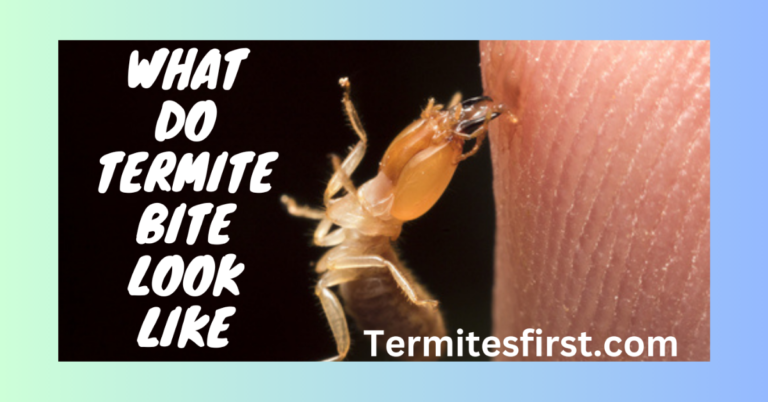
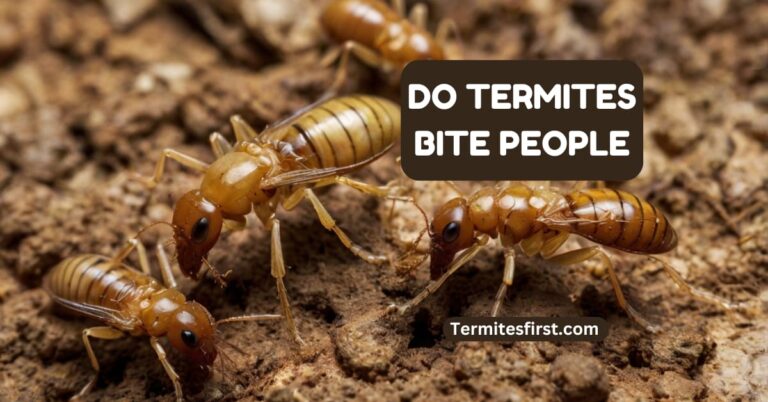
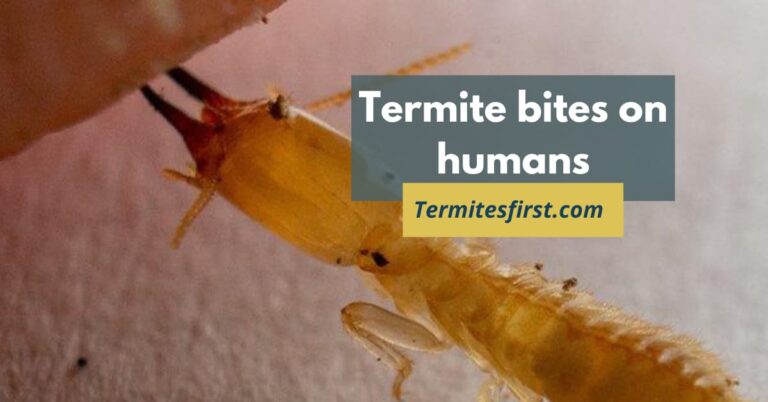
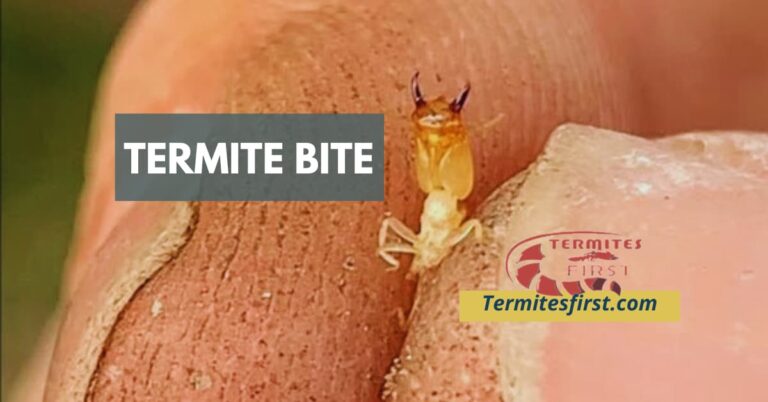
People often ask, do termites bite? Yes, but very rarely. Termite stings don’t happen because termites don’t have stingers. Only termite soldiers might bite if you handle them roughly. Bites from termites are not dangerous but could cause itchy skin or swelling in sensitive people.
Some worry about termite swarmers landing on them while sleeping. But termites avoid humans. They seek wood, not flesh. There’s no need to fear termite bites at night. Still, their presence can impact your health in other ways.
Can Termite Bites Cause Pain or Infection?
In rare cases, a bite from a termite soldier might lead to contact dermatitis or mild irritation. If you scratch it, you could open the skin to infection. It’s not the bite that harms you, but how your skin reacts.
Do Termites Attack Sleeping Humans?
Winged termites might fly near lights or land on beds during swarming season, but they won’t bite. They’re not aggressive. They’re only looking for a place to build a new termite colony.
Hidden Health Dangers Termites Pose to Humans
Termites don’t spread disease, but they can cause health issues. When termites move through walls, they release dust and particles that lower air quality. That’s why are termites harmful to humans is a valid concern. Especially when living with allergies from termites or breathing problems.
Termite droppings, called frass, can trigger allergic reactions from frass in some people. Their presence also invites mold and mildew, which create serious cold and flu-like symptoms from mold. Mold spores can spread quickly and affect your lungs.
Allergies and Asthma Triggers
Termite dust and frass can worsen asthma. People with sensitive airways may feel tightness in their chest, coughing, or shortness of breath. These are serious asthma triggers. Even healthy people might feel discomfort when termite debris builds up.
Respiratory Problems Due to Mold or Droppings
Termites often allow mold to grow behind walls. Moisture builds up as they chew wood. Breathing mold spores can lead to respiratory irritation. You might feel a sore throat from spores, fatigue, or a constant cough.
Fungal Infections Linked to Infestations
Mold from termite damage can cause infections like histoplasmosis and candida. These are rare but dangerous. Long exposure to mold may even lead to neurological effects from mold such as confusion or memory loss.
Psychological Stress from Severe Infestations
Knowing you have termites can be mentally draining. Many homeowners lose sleep over long-term infestation risks. It affects peace of mind, comfort, and even property value.
Can Termites Harm Pets and Children?
Though termites don’t directly attack pets or kids, they can indirectly cause harm. Risk to pets and children increases when droppings or mold are present. Curious pets may sniff or eat termite-contaminated items.
Young children or the elderly are more vulnerable to airborne mold and allergens. Homes with aerial termite infestation or termites in hidden places pose unseen threats. Keeping the home pest-free is vital for their safety.
Health Risks to Dogs and Cats
Pets that play near termite nests might face irritation. If they ingest frass or chew moist wood, they may get sick. It’s important to treat wood and clean areas often to protect them.
Safety Tips for Households with Infants or Elderly
Elderly and babies breathe faster and deeper, making them more at risk. Ensure good airflow in rooms. Get a termite inspection regularly. Keeping air clean can prevent cold and flu-like symptoms from mold.
Signs You Have a Termite Problem at Home
Recognizing signs of termites early can save you thousands. Most people find out too late, after major structural damage. Look around your home carefully and check walls, floors, and wood.
Mud tubes, small termite droppings, or piles of wings from termite swarmers are early signs. In some homes, you might even hear faint clicking sounds inside the walls.
Visual Indicators: Mud Tubes, Wings, Droppings
If you spot narrow, dirt-like tunnels running up your walls, those are mud tubes. Finding winged termites or shed wings means termites are nearby. Frass looks like tiny wood pellets and often piles near baseboards.
Wood Damage and Hollow Sounds
Tap wooden surfaces. If they sound hollow, termites may have eaten them from inside. You may also see sagging floors, warped doors, or cracks that seem odd. These are serious warnings.
Strange Clicking Sounds from Walls
Worker termites make soft sounds as they chew. Termite soldiers sometimes bang their heads to alert the colony. These tiny sounds can indicate a large problem.
How to Prevent Termites and Their Health Hazards
Termite prevention is the best defense. Avoid giving them what they want: moisture and wood. Fix leaks, keep your home dry, and check often for signs.
Never store firewood near your house. Check crawlspaces, basements, and attics regularly. Use a dehumidifier if your area is humid. Standing water around foundation should be drained away.
Reducing Moisture and Fixing Leaks
Termites love moist wood. Repair roof leaks, clogged gutters, and damp basements. Termites in crawl spaces often start from unseen water damage.
Sealing Entry Points
Use caulk to close access points for termites like foundation gaps or pipe holes. Install a stainless steel mesh around vents and drains. This makes it harder for termites to sneak inside.
Proper Wood Storage and Soil Contact Avoidance
Never let mulch or wood touch your house directly. Use gravel barriers. Keep decks, fences, and wooden posts at least 18 inches above soil. This stops wood-to-soil contact.
Termite Control Methods That Actually Work
If you have termites, act fast. You can try DIY termite treatment, but it rarely removes the whole colony. Professional pest control is often the better choice for total removal.

Methods include termite bait stations, soil treatments, borate wood treatment, or full tenting for termites using sulfuryl fluoride fumigation.
DIY Termite Treatments
People try natural termite repellents like vinegar, neem oil for termites, or essential oils for pest control such as clove bud oil, vetiver oil, tea tree oil, or lemon grass oil. These are fine for small spots but not full infestations.
Professional Extermination Techniques
Licensed experts use soil treatment, baiting, and fumigation. These reach deep inside the home and stop termites at the source. Ask for a certified termite inspection before treatment begins.
Eco-Friendly Termite Control Options
For green solutions, choose eco-friendly termite control methods like heat, orange oil, or cold treatments. These avoid harsh chemicals while still being effective.
Choosing the Right Pest Control Service
Choose a licensed termite exterminator with good reviews. Ask for a written treatment plan and a solid termite treatment warranty. Avoid secret formula pest control scams or shady promises.
Your provider should offer a detailed termite inspection report. They should be certified and follow your state’s laws. Compare quotes using a pest control company checklist before signing any contracts.
Questions to Ask a Termite Exterminator
Ask about chemicals used, how long treatments last, and follow-up services. A good company will explain everything clearly and offer fair pricing.
What to Expect During a Termite Inspection
A structural pest control operator (SPCO) will check your walls, floors, attic, and yard. They use tools to find termite paths, nests, and hidden termite damage.
Long-Term Termite Monitoring Plans
Annual termite inspections can catch issues early. Some companies offer long-term plans that include barrier treatments and retreatment coverage.
Final Thoughts: Stay Safe and Termite-Free
Keeping your home safe from termites protects your health and wallet. The longer you wait, the more structural damage they cause. Prevention costs less than repairs.
If you see signs, don’t wait. Get help fast. Whether you’re in Termite control Phoenix or Termite control Tucson, professional treatment works best.
FAQ’s:
Yes, living in a house with termites can be dangerous due to structural damage and potential health risks like allergies, mold exposure, and respiratory problems.
Yes, having termites in your house can make you sick. They can trigger allergies, cause respiratory issues from mold spores, and lead to cold and flu-like symptoms from mold growing in moist wood affected by the infestation.
If a termite gets on you, it’s harmless. At most, it may cause itchy skin or mild irritation in sensitive people.
It’s not completely safe to sleep in a room with termites. They can cause allergies, asthma triggers, and expose you to mold spores and termite dust, which may lead to respiratory irritation or cold and flu-like symptoms over time.
At night, termites stay active. They chew wood, build mud tubes, and expand their termite colony—they never sleep.
Termites don’t normally hide in clothes, but they may damage clothes stored in damp, dark areas near infested wood.